Beyond the Monthly Bill: What HOA Fees Actually Buy You in a Residential Community
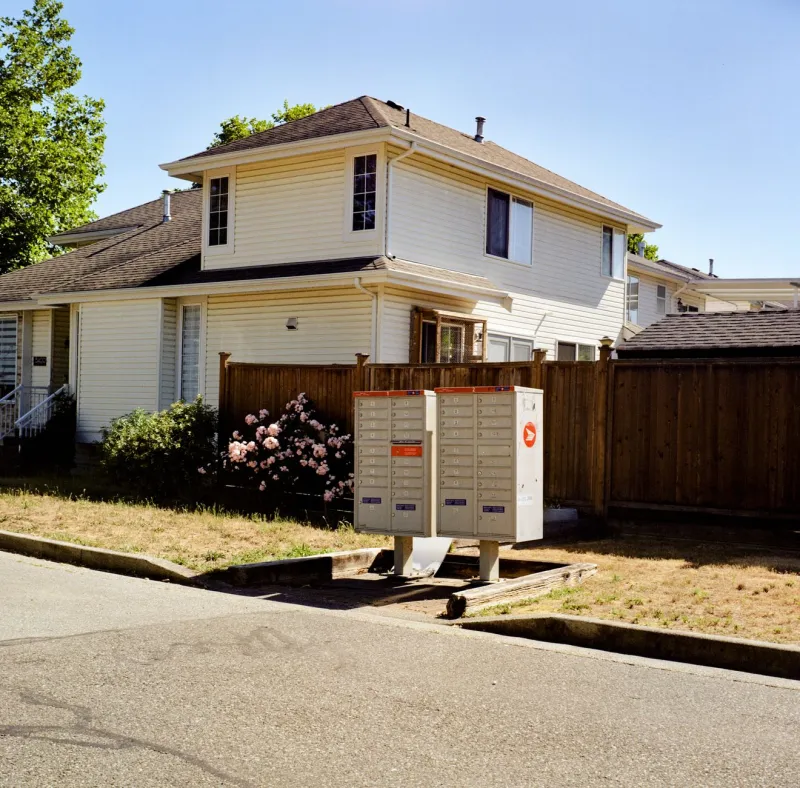
When prospective buyers tour a home on a tree-lined street with manicured common areas and a freshly painted community entrance sign, they are rarely thinking about the financial infrastructure that keeps it all intact. Homeowners association fees — those monthly or quarterly assessments that appear on every HOA community's disclosure documents — are frequently treated as an afterthought. That is a costly mistake.
At 119 Woods Drive, we work with buyers and sellers across a wide range of residential neighborhoods, and one of the most consistent sources of post-purchase regret we hear about is not the house itself. It is the HOA. Specifically, buyers who did not fully understand what their fees covered — or did not cover — before they closed.
This guide is designed to change that.
What the Average Homeowner Actually Pays
Across the United States, HOA fees vary dramatically depending on geography, community type, and the scope of amenities provided. According to data from the U.S. Census Bureau and industry surveys, the national average HOA fee for a single-family home sits somewhere between $200 and $300 per month. However, that figure is almost meaningless without context.
A modest townhome community in suburban Ohio might assess $150 per month to cover lawn care for common areas and basic liability insurance. A gated community in Scottsdale, Arizona, or a high-rise condominium building in downtown Chicago might charge $800 to $1,500 or more monthly for amenities ranging from 24-hour security and concierge services to heated pools, fitness centers, and valet parking.
The range is wide, and the services included vary just as dramatically.
The Core Budget Categories Inside Every HOA
Most homeowners association budgets are divided into two primary financial buckets: the operating fund and the reserve fund. Understanding both is critical.
Operating Fund
The operating fund covers the day-to-day expenses of running the community. Common line items include:
- Landscaping and grounds maintenance — mowing, mulching, tree trimming, and seasonal plantings in common areas
- Common area utilities — electricity for streetlights, water for irrigation systems, and gas for community buildings
- Trash and recycling collection — particularly common in communities where individual municipal service is not provided
- Insurance — general liability coverage for common areas and, in condo communities, often the building structure itself
- Management fees — compensation for the professional property management company or on-site staff who administer the HOA
- Administrative costs — legal fees, accounting services, and the cost of printing and distributing official communications
Reserve Fund
The reserve fund is where things get more nuanced — and where many underfunded HOAs run into serious trouble. This account is set aside specifically to cover major capital expenditures and long-term repairs. Think roof replacements on common buildings, repaving parking lots, resurfacing tennis courts, or replacing aging pool equipment.
A well-funded reserve is a sign of a healthy HOA. An underfunded reserve is a red flag. If the reserve account is depleted when a major repair becomes necessary, the association has two options: take out a loan or issue a special assessment, which is an additional one-time charge levied against all homeowners. Special assessments can run into the thousands of dollars with relatively little warning.
Fee Structures Across Different Community Types
Not all residential communities operate under the same HOA model. It is worth understanding the distinctions before comparing fee amounts.
Single-family planned communities typically have the lowest fees, often covering only exterior common areas, community signage, and perhaps a neighborhood pool or playground. Residents maintain their own lots.
Townhome communities frequently include exterior building maintenance in their fee structure, which can include roof repairs, siding, and sometimes windows — significantly higher coverage that justifies a higher monthly assessment.
Condominium associations generally carry the most comprehensive fee structures, often including building insurance, water and sewer service, trash, exterior maintenance, and shared amenity upkeep. Buyers in condo communities should pay particular attention to the master insurance policy to understand what is and is not covered relative to their individual unit.
Age-restricted or lifestyle communities — such as those marketed to active adults 55 and older — often command premium fees due to the breadth of on-site programming, staffing, and facilities.
The Hidden Costs That Catch Buyers Off Guard
Even in communities with clearly documented fee structures, several categories of cost tend to surprise new homeowners.
Transfer fees are charged when a property changes hands. These can range from a nominal administrative fee to several hundred dollars and are often due at closing.
Move-in/move-out fees are common in condo buildings with elevators and dedicated loading areas, and they can catch buyers off guard if not disclosed early in the process.
Pet fees and restrictions vary widely. Some communities charge monthly pet assessments on top of standard dues. Others restrict breeds or impose weight limits that may not be immediately obvious from the listing.
Rental restrictions can affect buyers who intend to lease their property in the future. Some HOAs cap the percentage of units that may be rented at any given time, which can also affect mortgage eligibility for buyers seeking conventional financing.
Questions Every Buyer Should Ask Before Purchasing in an HOA Community
At 119 Woods Drive, we encourage every buyer considering a deed-restricted property to request and review the following before making a final decision:
- What are the current monthly or quarterly HOA dues, and when were they last increased?
- What is the current reserve fund balance, and what percentage of the recommended reserve level does it represent?
- Has the association issued any special assessments in the past five years? Are any currently planned or anticipated?
- What specific services and amenities are covered by the dues?
- What are the rules regarding rentals, pets, exterior modifications, and short-term rentals such as Airbnb?
- Is the community currently involved in any litigation?
- How are the HOA's financial statements audited, and can I review the most recent audit?
- What is the process for disputing a violation notice or appealing an HOA decision?
These questions are not a sign of distrust — they are a sign of due diligence. A well-run HOA will have clear, prompt answers to every one of them.
The Bottom Line
Homeowners association fees are not simply a cost of entry into a particular neighborhood. They are a financial commitment to a shared community model — one that, when managed well, protects property values and sustains the quality of life that drew buyers to the neighborhood in the first place.
The key is going in with clear eyes. A $400-per-month HOA fee that funds a fully reserved capital account, professional management, and comprehensive amenities may represent significantly better value than a $150-per-month assessment attached to an association that is one roof replacement away from a five-figure special assessment.
As with any aspect of a real estate transaction, the details matter. Take the time to read the governing documents, review the financials, and ask the hard questions. Your future self — and your home's resale value — will thank you.