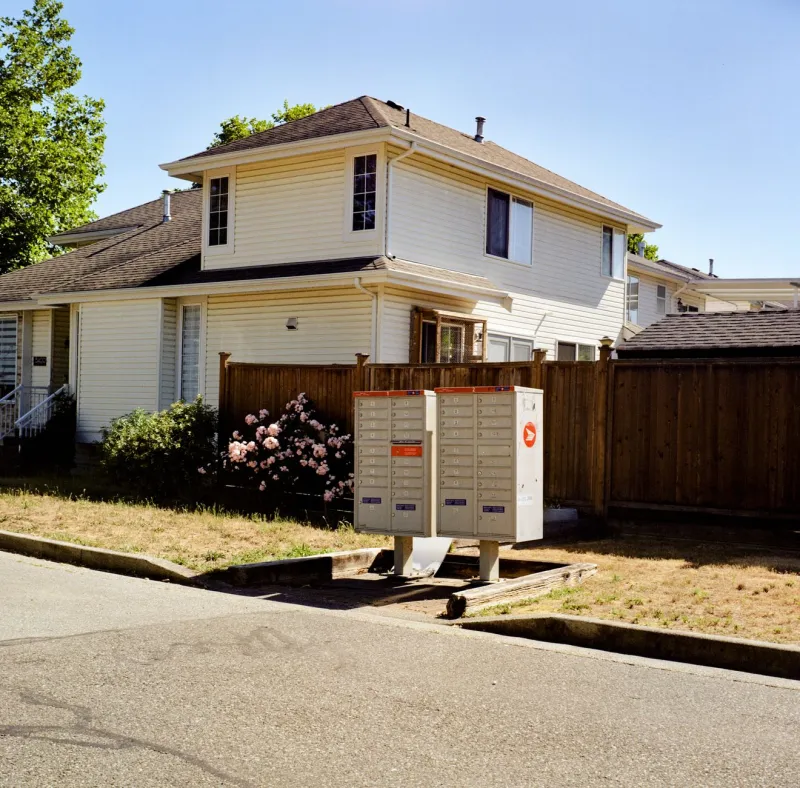
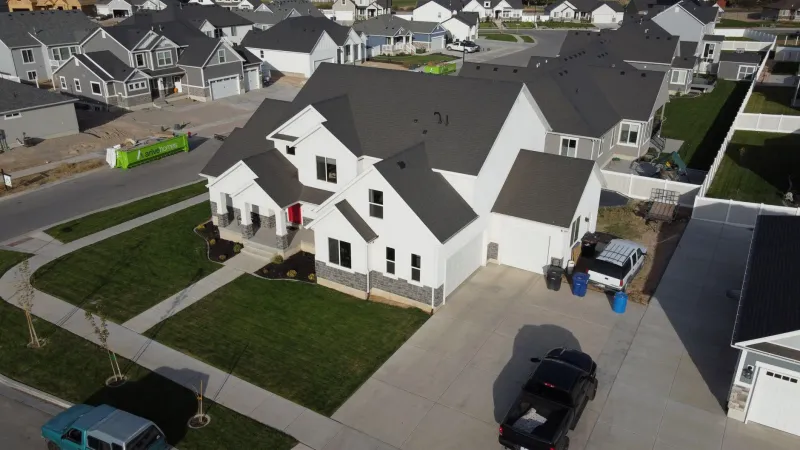
What Runs Beneath the Surface: Why Utility Infrastructure Should Be Part of Every Home Purchase Decision
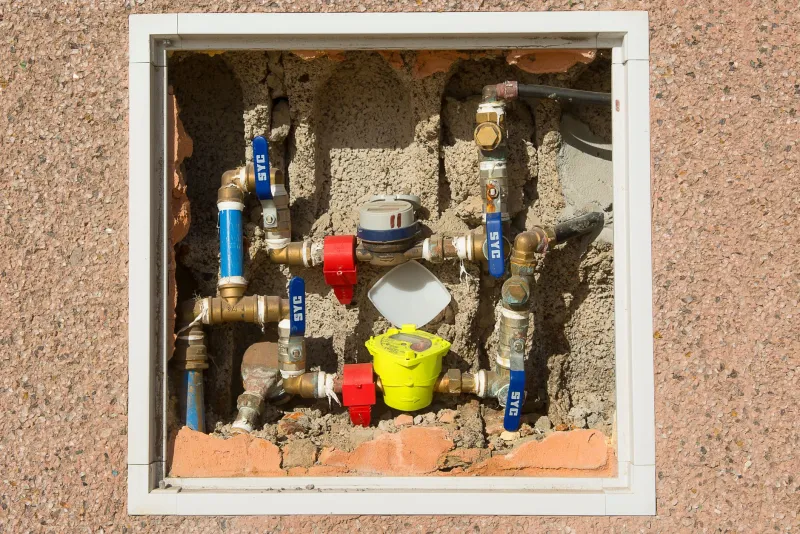
When buyers walk through a home, they evaluate what they can see — the kitchen layout, the condition of the hardwood floors, the size of the backyard. Rarely does anyone pause to consider what lies several feet below the street outside. Yet the water mains, sewer lines, stormwater systems, and utility conduits running beneath a neighborhood are, in many respects, the circulatory system of the entire community. Their condition and capacity shape everything from monthly utility costs to the long-term trajectory of property values.
At 119 Woods Drive, we believe that understanding a home means understanding its full context — including the infrastructure that makes daily life possible. This guide is designed to help buyers and current homeowners think more critically about the utility systems underlying their neighborhoods.
Why Utility Infrastructure Is So Rarely Discussed
Real estate conversations tend to gravitate toward the visible and the immediate. Granite countertops generate enthusiasm at open houses. Underground pipes do not. But this imbalance in attention creates a meaningful blind spot, particularly for buyers in older residential neighborhoods where infrastructure may not have been significantly updated in decades.
Municipal utility systems in the United States are, on average, aging considerably. The American Society of Civil Engineers has consistently graded the country's water and wastewater infrastructure poorly in its infrastructure report cards, citing systems that in many cities date back to the early and mid-twentieth century. Neighborhoods built during post-war suburban expansion — the 1940s through the 1970s — often sit atop cast-iron water mains and clay sewer pipes that are well past their expected service lives.
The result is a quiet but consequential divide between neighborhoods where infrastructure has been modernized and those where it has not.
How Aging Infrastructure Affects Property Values
The connection between utility systems and home values is not always direct or obvious, but it is real. Consider a few of the mechanisms at work.
Water pressure and service reliability. Homes served by aging or undersized water mains may experience inconsistent pressure, particularly during peak demand periods. For buyers accustomed to reliable municipal service, recurring pressure issues can be a meaningful deterrent — and a negotiating point.
Sewer line condition and the cost of replacement. Private sewer lateral lines — the pipes that connect a home to the municipal sewer main — are typically the homeowner's responsibility. In neighborhoods with older clay or cast-iron laterals, root intrusion, cracking, and collapse are common. A full lateral replacement can cost anywhere from $3,000 to $15,000 or more depending on depth, length, and local labor markets. Buyers who commission a sewer scope inspection before closing can avoid inheriting this expense unknowingly.
Stormwater management and flood risk. Inadequate stormwater infrastructure contributes to localized flooding, basement water intrusion, and street ponding that, over time, erodes both the physical condition of homes and their market appeal. Neighborhoods with upgraded stormwater systems — or those located within municipalities actively investing in green infrastructure — carry a measurable advantage.
Planned municipal upgrades as a value signal. Conversely, neighborhoods slated for utility infrastructure improvements often see property value appreciation in anticipation of and following those projects. A municipality announcing a water main replacement program or a sewer separation project is, in effect, signaling a commitment to the long-term viability of that neighborhood. Buyers who identify these planned investments early can position themselves advantageously.
Red Flags That Warrant Closer Inspection
Not every utility concern is visible during a standard home inspection. Buyers should be proactive in asking the right questions and, where appropriate, commissioning specialized inspections.
Low or fluctuating water pressure. Test multiple fixtures during your showing. Inconsistent pressure across different faucets and floors may indicate problems with the home's internal plumbing, but it can also reflect issues at the municipal main level.
Evidence of prior sewer backups. Staining around floor drains in basements or utility rooms, or a history of sewage backup disclosed by the seller, warrants a professional sewer scope. This relatively inexpensive inspection — typically $150 to $300 — can reveal significant structural problems in the lateral line.
Older galvanized or lead service lines. Homes built before the 1980s may still have galvanized steel or, in some cases, lead service lines connecting the water main to the house. Lead service lines pose serious health concerns and are subject to increasing regulatory scrutiny. Several municipalities are now mandating replacement, sometimes at partial or full public expense. Buyers should verify the material of the service line and understand who bears the replacement cost.
Utility easements and rights-of-way. Review the property's survey and title documents for utility easements. These designations limit how a homeowner can use portions of their land and may affect landscaping plans, fence placement, and outbuilding construction.
Local water quality reports. Under the Safe Drinking Water Act, municipal water suppliers are required to publish annual Consumer Confidence Reports. Reviewing this document for a prospective neighborhood provides insight into water quality, source, and any identified contaminants. It is a freely available resource that too few buyers consult.
What Sets Premium Neighborhoods Apart
It is worth examining why certain neighborhoods consistently command higher prices even when the housing stock is comparable to adjacent areas. Utility infrastructure is frequently a contributing — if underappreciated — factor.
Neighborhoods that benefit from recently replaced water mains, modern sewer systems, and reliable underground electrical service tend to have lower rates of emergency repairs, fewer insurance claims related to water damage, and more predictable carrying costs. These characteristics translate into buyer confidence, which in turn supports stronger valuations.
Municipalities that demonstrate consistent reinvestment in their utility systems also signal broader fiscal health and administrative competence — qualities that correlate with well-maintained public spaces, responsive services, and stable property tax environments. For buyers evaluating two otherwise similar neighborhoods, this distinction can meaningfully inform the decision.
Questions to Ask Before You Close
Armed with this context, buyers can approach the due diligence process more systematically. The following questions are worth raising with your real estate agent, the local municipality, or a licensed inspector:
- When was the water main on this street last replaced or inspected?
- Is the home connected to a combined sewer system, or is it a separated storm and sanitary system?
- Has the municipality published a capital improvement plan that includes utility work in this area?
- What is the material of the water service line from the main to the house?
- Are there any known drainage or flooding issues on this street or in this block?
These are not exotic questions. They are the kind of informed inquiries that distinguish buyers who understand what they are purchasing from those who are simply reacting to aesthetics.
A More Complete Picture of the Homes We Choose
A home is far more than the structure that stands on a lot. It is embedded within a network of systems — physical, civic, and social — that collectively determine its livability and its value over time. Utility infrastructure is one of the least glamorous elements of that network, but it is among the most consequential.
At 119 Woods Drive, our commitment is to help buyers and homeowners see that complete picture. The home you choose deserves the kind of scrutiny that goes beneath the surface — literally.